Jesus Newman

CBD Oil vs CBD Capsules vs CBD Gummies: Which Is Right for You?
cbd-oil-capsules-gummies-guide

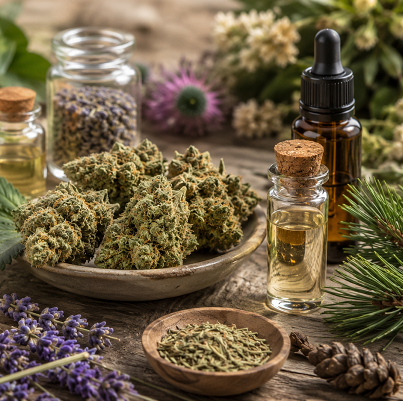
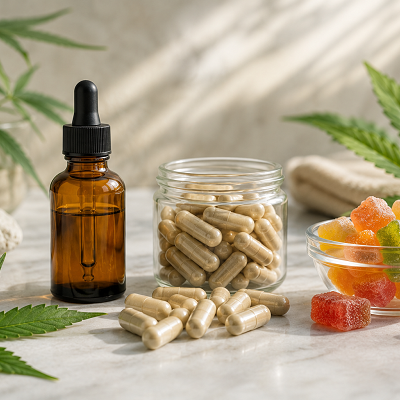
CBD Oil vs CBD Capsules vs CBD Gummies: Which Is Right for You? You enter a health store anywhere in the United Kingdom or go to a CBD company’s website, and you will see that most brands are selling the same product — cannabidiol (CBD) — in three very similar formats: CBD Oil, Capsules and Gummies. There seems to be no difference between them, based on the way they are marketed — like choosing from a variety of different flavors of ice cream. However, this is not true. This article will discuss the differences between these three primary forms of CBD products — Oil, Capsules and Gummies. We will also provide some recommendations about the best form of CBD products for each type of treatment. The Core Variable: Bioavailability Bioavailability is perhaps the most significant factor when comparing formats. It is defined as the portion of the consumed substance that reaches systemic circulation (and thus has an effect). CBD’s bioavailability can vary significantly based on the method of consumption: Bioavailability of Sublingual Oil: 20-35% Bioavailability of Swallowable Capsules or Gummies: 6-19% Bioavailability of Inhaling Vape Products: 34-56% This means in terms of actual amounts delivered to your blood stream, taking 25 mg of CBD via sublingually administered oil, will deliver approximately double the CBD into your system compared to taking 25 mg via swallowable capsules. That is the single greatest practical difference when moving from a format to another. If you reduce dosage by half after switching from oil to swallowable capsules, you may find your expectations for results are reduced accordingly. 💧CBD Oil: The Most Flexible Format CBD oil is administered by placing drops under the tongue and holding for 60 – 90 seconds. This allows for partial absorption into the body via the sublingual mucosa (under the tongue) and therefore avoids first-pass metabolism in the liver. Any remaining drops will be swallowed and treated the same as capsules. The advantages of using CBD oil: highest bioavailability of all oral options; more CBD in your system per milligram consumed fastest onset of all non-inhaled formats; absorption from the sublingual mucosa begins within 15 minutes and peak effects are seen at 30 – 60 minutes after use most flexibility in dosing; drops can be adjusted in small increments making it easier to find your optimal dosage than with fixed-dose products full-spectrum & broad-spectrum oils contain terpenes which may enhance entourage effect droplets can also be added to food or drink (however, when done so, the product becomes an ingested format with lower and slower absorption) The disadvantages of using CBD oil: taste – hemp derived CBD oil has a distinctive earthy/ bitter flavor that some users will find unpleasant. There are flavored versions available but they typically contain carrier oils and additives. convenience – requires a dropper, ideally administered without food or drink for maximum absorption, and holding under tongue for 60 – 90 seconds. less portable and less discreet than capsules/gummies. quality is variable – products vary widely in formulation quality, choice of carrier oil and actual concentration of CBD. Best for: People who want precise dose control Sleep support (evening dose, 60–90 minutes before bed) Acute anxiety relief where faster onset matters Those who want the highest potency per milligram spent 💊CBD Capsules: The Consistent Choice CBD Capsules are made from a predetermined amount of CBD Oil that is encapsulated within a gelatin or plant-based shell. When consumed as a dietary supplement, the CBD Oil is metabolized (broken down) through the body’s digestive system after it passes through the Liver, reducing the Bioavailability of the CBD Oil compared to Sublingual Oils. However, this process also has several advantages. Advantages: Exact Dosing — Each capsule will have the same amount of CBD Oil every time you take one; eliminating the possibility of over/under dosing based on how much oil you put under your tongue or estimate when using a dropper. No Taste/Odor — There is no hemp flavor associated with CBD Capsules; therefore they can be added to any regimen without affecting the overall taste or odor of your current supplements. Maximum Convenience and Portability — These can fit into any existing supplement regime and can be taken at any time and location. Longer Duration of Effect — Due to the slow release nature of Capsules vs. oils taken under the tongue, the effects of the CBD Oil tend to last longer and produce a more steady plasma level compared to oils taken under the tongue. Ability to Take with Other Supplements in One Routine — It is very easy to add CBD Capsules to your daily routine along with other supplements. Disadvantages: Lower Bioavailability than Sublingual Oils — To get the desired effects from CBD Capsules, you may need to consume a larger dose than what would be required if consuming a Sublingual Oil. Slower Onset Time — The effects from CBD Capsules typically begin in 45-60 minutes and reach peak levels approximately 1 hour later. Less Flexibility in Dosage Adjustment — If you decide to adjust your dosage, you will either have to break open your capsules or purchase a new product line. Soft Gel Capsule May Be Affected By Storage Temperature — Keep your soft gel capsules away from high temperatures during storage. Ideal for: Individuals who prioritize ease and consistency above all else Routine supplementation where a sustained base-line effect is more important than rapid onset Individuals who do not care for the taste of oil Use at work or while traveling where discretion is essential Individuals who currently use multiple daily supplements and wish to incorporate CBD into their existing routine 🍬 CBD Gummies: The Accessible Entry Point CBD gummies are edible sweets — typically pectin or gelatine-based — containing a measured CBD dose per piece. They are the fastest-growing format in the UK CBD market, driven largely by accessibility and palatability. Advantages: Most palatable format — flavours mask the hemp taste entirely, making CBD accessible to people who find oil unpleasant Fixed

CBD Oil vs CBD Capsules vs CBD Gummies: Which Is Right for You? Read More »
Cannabis on British TV: From ‘The Bill’ Vilification to Mainstream Comedy

uk-television-cannabis-portrayal

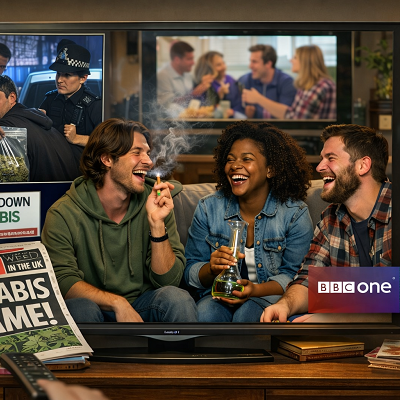
Cannabis on British TV: From ‘The Bill’ Vilification to Mainstream Comedy A review of the way cannabis has been represented in British television shows us how changing attitudes towards marijuana are reflected in societal views. In the past, British television served as an amplifier for the anti-cannabis sentiments of successive governments. However, in 2026 as we continue through this decade, the conversation about cannabis is no longer centered around it being a “threat” or a “menace,” but rather as a common household item used by suburban families. From the dimly lit interrogation rooms of Sun Hill police station to the bright-lit living rooms of contemporary sitcoms, the representation of marijuana has transitioned from the dark world of crime drama to the light-hearted world of comedy. The Evolution Of Television Representation Era Primary Genre Narrative Focus 1980s–90s Police Procedurals Crime, “Gateway” drug theories, and moral decay. Early 2000s Gritty Teen Dramas Rebellion, social alienation, and the “skunk” panic. 2010s–2020s Sitcoms & Satire Normalization, parental use, and mundane humor. 2026 (Present) Reality & Wellness Medical legality, gardening, and “California Sober” lifestyles.   1. The Vilification of Marijuana: The Dark Ages ‘The Bill,’ Grange HillThe early days of British television showed us how a single cannabis cigarette would inevitably lead to handcuffs. Shows such as ‘The Bill’ portrayed marijuana as the first step down a slippery slope of illegal activity. The Stereotype: The shady weed merchant in a puffa jacket hanging out near the local youth center. The Message: That marijuana was merely a tool for villainous characters. Even Channel Four’s version of “Just Say No,” which aired during the series run of ‘Grange Hill,’ reinforced the belief that any kind of substance use would ultimately lead to disaster. 2. Breaking Down Barriers: Channel Four and Rebellion Channel Four began to break free from traditional portrayals of cannabis in the mid-to-late 90’s and early 2000’s. Shows such as ‘Skins’ and ‘Ideal,’ were among those to challenge this tradition: ‘Ideal,’ BBC ThreeThis groundbreaking program starred Johnny Vegas as a small time pot-dealer who, instead of being depicted as a violent thug, is portrayed as a bored and somewhat endearing slacker with a revolving-door policy of accepting visitors into his home. These people are all eccentric members of his neighborhood.  ‘Peep Show’ Here, marijuana is not a “crime;” it’s a source of embarrassing social anxiety that perfectly captures the middle class British experience of trying to appear “cool” while feeling completely un-cool. 3. Main Stream Acceptance: The New Norm By 2026, vilification will have virtually disappeared. TV now treats marijuana much like wine — with complete apathy and acceptance. The Boomer Consumer: Today, many modern dramas depict seniors or parents using CBD or low THC products for pain relief, transforming the perception of marijuana from a rebellious youth culture icon to a legitimate senior wellness option. Stoner Comedy: There has been a surge in “stoner comedies” in which the focus is NOT on the drug itself, but simply serves as a supporting element in a character’s normal evening activities. Documentary Trends: While there was once sensationalism surrounding undercover investigations into “Skunk,” today there are high production-value documentaries documenting Britain’s growing medical-marijuana industry and burgeoning green economy. FAQ: Television’s Growing Pains Why did it take so long to change?Ofcom regulations and the BBC Charter historically required a “moral balance,” often forcing writers to show negative consequences for drug use. Has the “Skunk” narrative disappeared?Not entirely. News programs still occasionally use “Skunk” as a buzzword for mental health scares, but fictional TV has largely moved toward a more nuanced “balanced ratio” portrayal. What is the most iconic “cannabis” show in the UK?While Ideal is a cult classic, many consider the “Mary Jane” episode of The IT Crowd or the casual use in Brassic as the new standard for British humor.

Cannabis on British TV: From ‘The Bill’ Vilification to Mainstream Comedy Read More »

From Brixton to Brixton: How London’s Jamaican Community Shaped UK Cannabis Culture

jamaican-culture-london-cannabis

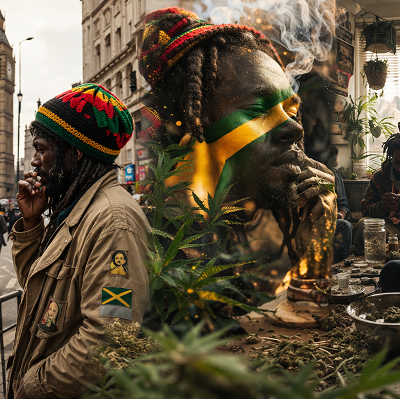
From Brixton to Brixton: How London’s Jamaican Community Shaped UK Cannabis Culture The impact of the Windrush generation, and their children and grandchildren, cannot be overstated. They helped establish a cultural identity —and a new way of looking at a “foreign” plant —that would eventually make the smell of CBD vapor in London nothing but a common occurrence today. Ganja originated in India and made its way to England via the Caribbean, specifically the islands of Jamaica. During the 1800s, many Indians traveled to the Caribbean under an indenture system. These workers carried seeds and the term “ganja,” which originally referred to Indian hemp. Once in the Caribbean, Indian culture mixed with African traditions. What began as a method to relax turned into something much greater than that. Ganga became a medicine for mental health issues. In fact, some people used it as a tea for mental clarity, while others used it as a sacred offering or sacrament in Rastafari ceremonies. In 1948, when the Empire Windrush arrived at Tilbury in England, Jamaicans brought their roots with them. The people traveling on the ship also brought a deep-rooted connection to cannabis. Brixton: A center of resistance Railton Road in Brixton became known as the Frontline in the 1970s. On this road, a new type of community developed. Music, politics, and social gatherings all revolved around one central idea –the Sound System. These Sound Systems featured large speaker systems that produced such powerful low-end frequencies that you could feel the beat in your chest. In these clubs, known as shebeens (or unlicensed house parties) or in other social gathering areas where cannabis was present, cannabis acted as a social adhesive. At this time, British authorities saw these social gatherings as a threat to public safety. To members of the Jamaican community, however, cannabis represented a form of survival. The lack of employment opportunities and systemic racism created the need for the cannabis culture to thrive. Conflict and the Sus laws The history of cannabis use in the United Kingdom is closely tied to the ongoing fight for equal rights for citizens. Between the 1960s and 1980s, British authorities passed several pieces of legislation that granted police authority to randomly stop and search individuals suspected of committing crimes without probable cause. The results were devastating: On April 10th 1981, British authorities sparked off riots in Brixton after rioting broke out during an anti-police brutality protest. Rioting continued throughout April with hundreds arrested. Brixton became a symbol for how prohibition disproportionately targeted minority populations. An evolutionary shift: From criminal to icon Jamaica provided England with far more than just a plant. Jamaica provided England with an image of what cannabis could represent. With the influence of Bob Marley and the rise of Reggae music, attitudes toward marijuana changed. Marijuana went from being associated with dangerous backstreet activity to representing peace, spirituality and creativity. Element of Influence The Impact on UK Culture Music Reggae and Dub introduced the concept of “meditative listening.” Linguistics Terms like spliff, herb, and chalice entered the everyday English lexicon. Social Rituals The “sharing is caring” etiquette became the standard for consumption.   The Brixton Experiment (2001) In 2001, Lambeth Police Commander Brian Paddick launched a pilot project called the “Softly-Softly Approach” in Brixton. He told his officers that if they found someone possessing marijuana, they should confiscate the marijuana and issue a warning rather than arrest them. Although the Brixton Precedent ultimately contributed to the reclassification of marijuana from class B to class C in 2004, and although this decision was reversed in 2009, it showed that arresting people for minor offenses related to marijuana did not lead to societal collapse. Legacy Today Today’s Brixton is a city undergoing gentrification. Hipster coffee houses exist alongside Jamaican grocery stores that have been there since before gentrification. Yet, the legacy of the Frontline remains. Medical normalization: Many seniors in the Jamaican community are now legal medical patients and are taking advantage of similar CBD oil products that their parents or grandparents may have been prosecuted for. Equity in Social Justice: By 2026, discussions regarding restoration justice will begin to occur. Restoration justice acknowledges that Jamaican communities suffered greatly due to the War on Drugs so that everyone else can enjoy cannabis. FAQ – Major Cultural Contributions Why is Brixton so important? As it was the first major urban settlement for the Windrush generation, it was essentially ground-zero for all Caribbean influences on both law and music in Great Britain. What is the Frontline? Historically speaking, it is a reference to Railton Road in Brixton. It is also where riots took place in response to aggressive policing tactics during the 1981 riots and it is still considered one of the most influential locations for underground Reggae culture. How did Jamaica influence how Britons consumed cannabis? Jamaica helped move consumption away from being an individualized pharmaceutical experience to a shared social experience revolving around certain types of music, foods and language. Conclusion British cannabis culture exists because of Brixton. The Jamaican community kept alive cannabis traditions during the worst years of prohibition. Ultimately, what was once a reason to be arrested evolved into a symbol of cultural diversity that represents everything that British society identifies with today.

From Brixton to Brixton: How London’s Jamaican Community Shaped UK Cannabis Culture Read More »

How important is the ratio between cannabis’ CBD and THC?

cbd-thc-ratio-importance1.

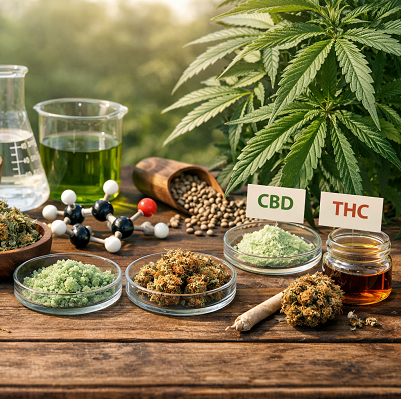
How important is the ratio between cannabis’ CBD and THC? For many years, the focus of the cannabis industry was getting as close to 100% thc as possible. However, in 2026, the British cannabis consumer has evolved into a much more discerning and educated individual who understands that there is a lot more to cannabis than just the amount of thc contained in the flower. Consumers have moved beyond “couch lock” type potencies to look for products with balanced amounts of both thc and CBD. As such, the question remains: does the ratio of high-CBD to low-thc actually make a difference when consuming cannabis, or is this simply another example of marketing hype? The entourage effect: understanding interaction of thc and CBD within the ECS The way thc and CBD interact with each other within the Endocannabinoid System (ECS), creates a relationship where they serve as the accelerator and brakes respectively. Ratio (CBD:THC) Common Name Typical Experience 1:1 The “Golden Ratio” Balanced, mild euphoria, high functional capacity. 2:1 The Comfort Zone Very light head high, significant physical relaxation. 10:1+ The Therapeutic No perceptible “high,” focused entirely on anti-inflammation/calm. 0:1 The Rocket Ship Intense psychoactivity, higher risk of anxiety/paranoia.   Why “high-CBD/low-thc” is trending in 2026 three key factors contribute to the trend toward lower thc levels in cannabis products available in the u.k.: anxiety management: higher dosages of thc can cause excessive stimulation of the amygdala (fear center of the brain). CBD acts as a buffer to the same receptors and smoothes out the spikes in a thc high. Working professionals: users in cities such as London and Manchester want “lunch time strains.” a 5:1 ratio provides relief from work-related stress while allowing them to respond to their email inbox and attend meetings. Medical precision: many private clinics in the u.k. Now prescribe patients with chronic pain, ptsd and other conditions with balanced ratios of CBD to thc, which results in reduced “over the edge” effects from extreme thc. Receptor tug-of-war There is also a fascinating biochemical competition taking place at your CB1 receptors when you consume a high-CBD/low-thc product: THC will compete to bind to the CB1 receptor for a direct dopamine release. CBD is considered a negative allosteric modulator of CB1 receptors. They do not prevent the receptor from being bound, but instead modify the shape of the receptor. As a Result, thc cannot bind as well, and you receive the medicinal benefits along with some increase in mood, but with minimal to no “trippy” or overwhelming side effects. Pro tips to find your balance It’s truly an experiment of one in regards to what ratio works best for you. For navigating the 2026 market we recommend:  starting off with 1:1 as your baseline. If you find yourself too intoxicated, try increasing the CBD ratio (such as going to 4:1). If you’re experiencing little-to-nothing, slightly raise the thc ratio. Terpene don’t forget about them: a 1:1 ratio of Myrcene (earthly) will feel much heavier than a 1:1 Limonene (citrus). Track your sessions: create a simple log entry on your cell phone about how different ratios affect your sleep, mood and appetite.

How important is the ratio between cannabis’ CBD and THC? Read More »

CBD and Sleep in Summer: Why Warm Nights Wreck Your Rest

CBD and Sleep in Summer: Why Warm Nights Wreck Your Rest

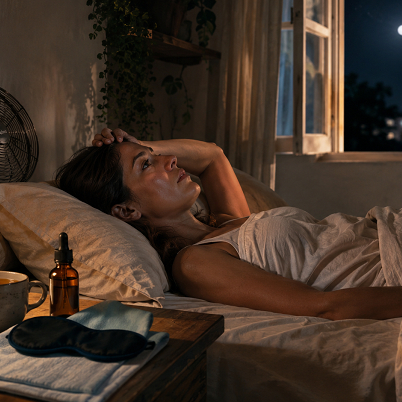
CBD and Sleep in Summer There’s a uniquely cruel aspect of British summers that receives little attention. While days during these months are simply wonderful (warm, long, etc.), nights are another story altogether. Nights are stuffy bedrooms; light does not fade until close to midnight; you wake up at 4 AM because dawn arrives so early; and there’s nothing quite like waking at 2AM when the duvet is flung off and a fan is blowing directly on your head. For an important number of people in the United Kingdom, summer is likely one of the most unpleasant times of the year for sleep. Serious attention is being given to CBD as a sleep aid and the underlying mechanisms for this attention are indeed relevant to summer-specific sleep disruptions. The purpose of this article is to provide a description of why warm nights may be particularly detrimental to the quality of sleep, describe what CBD can and cannot do in relation to these warm nights, and discuss how to develop a realistic and effective sleep routine using CBD during hot summer months. Why Summer Wrecks Sleep: The Physiology Sleep has an extraordinary dependency on ambient temperatures. As you fall asleep, your body goes through a decrease in its internal or core temperature. It’s normal to have this temperature drop about 1-2 degrees Celsius. This temperature drop is what sends the signal to your brain to start entering into the first stage of non-REM or NREM sleep (slow wave sleep). Slow wave sleep is the most restorative phase of our sleep cycle. In warm summer conditions, several things interfere with this process: Ambient heat prevents the bedroom environment from supporting the core temperature drop that initiates deep sleep Humidity impairs sweat evaporation, the body’s primary cooling mechanism, keeping skin temperature elevated Extended daylight suppresses melatonin production — the hormone that signals darkness and prepares the body for sleep — because light exposure, particularly morning light, shifts the circadian rhythm forward Early sunrise (around 4:30–5am in the UK at midsummer) triggers cortisol release earlier than the body’s natural waking time, producing lighter sleep and earlier unwanted waking Dehydration from warm days increases cortisol and disrupts the hormonal balance that supports deep sleep phases As a result, the sleep experienced in the summer months is going to be lighter, shorter, more disrupted and not as restorative as sleep in the cooler winter months. However, individuals may not be aware why their summer months seem so much worse than their winter months.  What CBD Does in the Sleep Context   CBD’s role in relation to sleep is not a single mechanism however there are many mechanisms that overlap and work together (which is part of what makes the evidence so complex) and therefore it affects multiple factors of summer related sleep disruptions. Core Mechanisms: Cortisol Reduction – Studies have shown that CBD reduces cortisol levels specifically the evening cortisol levels that disrupts your sleep onset. The timing of this mechanism is very important in the context of summer because the early-morning sunlight will typically cause a shift in the entire day-long cortisol rhythm. Anxiety & Rumination – Heat-related discomfort while trying to fall asleep often exacerbates by anxiety. The anxiolytic effects of CBD help to create a decreased arousal state in people experiencing anxiety/mental restlessness making it easier to fall asleep due to the warmth in their environment. REM Sleep Modulation – At moderate dose levels, studies suggest that CBD promotes slow wave sleep without disrupting REM architecture like many prescription sleep medicines and ethanol/alcohol. TRPV1 Interaction – CBD also interacts with TRPV1 receptors which are responsible for heat sensation/thermoregulation. Some research suggests this may be a factor in how CBD creates a perceived slight “cooling” effect on body temperature, although this is one of the least understood of all the above mechanisms. What CBD does not do is to cool down your bedroom or to block out the early morning sunlight. Environmental reasons for disrupted sleep during the summer months need to be addressed through environmental methods such as using black-out curtains/window treatments, cooling aids, and proper air flow/ventilation etc… CBD is most effective when used in conjunction with environmental remedies vs. being used as a replacement for them. CBD vs Other Common Summer Sleep Aids   Sleep aid Mechanism Summer relevance Drawbacks CBD oil (sublingual) Cortisol reduction, anxiolytic, REM support High — addresses anxiety, cortisol dysregulation, sleep onset Slower onset than some; dose-finding required Melatonin Circadian signalling High — compensates for light-suppressed melatonin Available OTC in UK only at low doses (0.3mg); higher doses prescription Antihistamines (diphenhydramine) Sedation via H1 blockade Moderate — induces sleep but suppresses REM Hangover effect, tolerance builds rapidly, dry mouth Alcohol CNS depressant Low — worsens sleep architecture despite inducing sleep onset Fragments sleep, suppresses REM, increases night waking Magnesium glycinate GABA modulation, muscle relaxation Moderate — supports relaxation and reduces night cramps Slower-acting, works better as a consistent supplement CBD + melatonin combined Dual mechanism High — complementary actions on different aspects of sleep Requires correct timing and dosing Blackout blinds Light elimination Very high — addresses root cause of circadian disruption Not portable; requires installation   Practical Summer Sleep Protocol with CBD When you know what you are going to do when you go to sleep, it helps a lot more than just doing something random. Here is the protocol I have developed specifically to help people fall asleep during long summer nights in the U.K.: Pre-Sleep (2-3 hours). Dim all your lights inside and turn off all bright screens (TVs etc.) because that will let your body produce its own melatonin which was stopped by all that daylight.Start cooling down your bedroom. Open up your windows and doors to create a breeze from the other side of the house. Or put a fan on to circulate the air. Before Bedtime (60-90 min). Take some CBD oil sublingually (underneath your tongue). For this type of product, 20-40 mg per night should be good for promoting

CBD and Sleep in Summer: Why Warm Nights Wreck Your Rest Read More »

What is microdosing cannabis? Is it safe to use cannabis while working?

What is microdosing cannabis? Is it safe to use cannabis while working? In recent years there has been an increasing trend toward using micro-doses of cannabis to create a calm, but still productive mindset. Most users do not want to feel high when they use cannabis; instead they seek a small amount to help reduce stress, improve concentration, and generally make their mind feel lighter. Many workers experience a barrier to producing because of mild or chronic levels of anxiety.  In addition, even if you do not have anxiety, a good working environment requires a stable mood. When you have a positive and clear frame of mind, then focusing on your job becomes much easier. Some research suggests that cannabis can enhance creativity while at the same time increase the likelihood of achieving a ‘flow’ (a state of complete absorption and engagement) when performing tasks. There are also reports from users who claim that low-THC cannabis enhances flow states and allows for greater immersion in their work. What does micro-dosing mean? Typically, when we think about taking cannabis, we tend to assume that we will get “high.” however, when you consume a very small amount of cannabis – typically between 1 mg and 2.5 mg of THC – you can often avoid getting high. For example, many consumers report experiencing a sense of relaxation and increased focus as they go through their day, with no noticeable loss of mental clarity. Why would i want to use cannabis for increased productivity? Some People believe that cannabis can improve their performance by reducing anxiety so they can stay engaged in their work.  Other People simply find that their mood improves enough to allow them to sustain their interest and attention during long periods of focus.  Finally, several studies have shown that small amounts of THC (in the range of 0.25 to 1.75 mg per user) can actually aid in creative thinking.  Can low dose THC help me get into a flow state? There is evidence that consuming small doses of THC can lead to a faster entry into a flow state. This is likely due to the fact that low levels of THC appear to promote greater focus. The Bottom Line Microdosing cannabis for productivity is a legitimate approach that works well for some consumers and not at all for others. The only way to know is careful, gradual experimentation with honest self-assessment at every step. For adults of legal age only. Always assess how cannabis affects your ability to function before using in any work context.

What is microdosing cannabis? Is it safe to use cannabis while working? Read More »

A Beginner’s Guide to Cannabis Terpenes and how they impact your experience

A Beginner's Guide to Cannabis Terpenes and how they impact your experience

A Beginner’s Guide to Cannabis Terpenes and how they impact your experience If you have ever thought about why two strains of cannabis with similar percentages of THC can be so different in terms of how they feel or taste, then terpenes are your answer. Terpenes are probably one of the most overlooked and misunderstood elements of cannabis. Once you get an understanding of terpenes, you will likely view shopping for cannabis differently. What Are Terpenes? Terpenes are organic chemical compounds with fragrant aromas that occur naturally in the cannabis plant — specifically in the trichomes (resin glands) where all cannabinoids are produced including THC and cbd. The combination of terpenes contribute to each individual strain’s aroma/flavor profile and influence the total effects of the cannabis product you choose to Consume. It is also worth noting that while terpenes are found within cannabis, they are present in many other types of plants such as citrus fruits, pine trees, Lavender, black pepper and hundreds of others. Most important terpenes found within cannabis Terpene Aroma Associated Effects Found In Myrcene Earthy, musky Relaxing, sedating Indica-dominant strains Limonene Citrus, lemon Uplifting, mood-elevating Sativa and hybrid strains Caryophyllene Spicy, pepper Grounding, tension-relieving OG Kush, Cookies Pinene Fresh pine Alert, clear-headed Jack Herer, Blue Dream Linalool Floral, lavender Calming, anxiety-reducing Wedding Cake, Lavender Terpinolene Fruity, herbal Energising, creative Durban Poison, Jack Herer What makes Terpenes Important over Potency (THC %) The THC % gives you an idea of how strong a strain is; The Terpene profile shows you the quality of the experience you will have when you smoke that same strain. A 25% THC Strain that has Myrcene as its most prominent Terpene will produce a much different experience compared to another 25% THC Strain that has Limonene as its most prominent Terpene — even though both strains are the exact same strength. That’s why experienced Cannabis users look at the Terpene Profile before they choose their next strain based on a number, which is typically THC %. Entourage Effect Terpenes do not work in isolation. Terpenes interact with Cannabinoids (THC, CBD, CBG) to create an effect, or modify an existing effect. This interaction among plant chemicals is called the entourage effect. That is why Full-Spectrum products usually give a more complete feeling than Isolated THC. How to use this knowledge When you go shopping for your next strain take a moment to view the most prominent Terpenes and compare them to the type of experience you want. If you are looking for a relaxing/medicinal effect you would probably be best served using a strain that is heavy on Cbgs/Cbd’s and/or B-Caryophyllene.  

A Beginner’s Guide to Cannabis Terpenes and how they impact your experience Read More »

Cannabis for medicine in the United Kingdom – how to obtain a Prescription and what it will cost

Cannabis for medicine in the United Kingdom – how to obtain a Prescription and what it will cost Cannabis as medicine has been allowed in the u.k. Since November 2018. However, many patients with chronic health issues that they believe would be improved by using Medical Cannabis do not understand how to obtain a Prescription or feel the process of obtaining one will be too difficult. Below you can see an easy-to-follow guide. Who may receive a Prescription for Medical Cannabis Patients may receive a Prescription from their specialist physician when other forms of Treatment have either failed to produce positive results or have produced side effects that made continued use unadvisable. These types of conditions commonly include: Chronic pain Spasticity resulting from multiple sclerosis Epilepsy that is resistant to conventional medication Anxiety and post traumatic stress disorder (ptsd) Nausea caused by chemotherapy Disorders related to Sleep quality Your specialist physician must write your Prescription. While there are some cases of prescriptions written under the national health service (NHS), the number remains small. Most patients accessing Medical Cannabis within the u.k. Utilize the services of privately operated clinics that have received licenses to provide these services. How the process works Talk to your general practitioner (GP) – while your GP cannot write a Prescription for Medical Cannabis, having them support your case with a letter or referral greatly increases your chances of receiving a Prescription from a specialist physician. Locate a private clinic that has received a license to operate in your area – there are numerous clinics operating throughout the united kingdom. Some offer consultations in person and others over the internet. Assessment by specialist physician – the specialist physician reviewing your medical records makes a determination regarding whether you meet criteria for Treatment with Medical Cannabis. Prescription issued – if you qualify for Treatment, your Prescription is filled at a licensed pharmacy. What it will cost Stage Approximate Cost Initial specialist consultation £50 – £200 Monthly prescription (flower) £150 – £400 Monthly prescription (oils) £100 – £300 Follow-up consultations £30 – £100

Cannabis for medicine in the United Kingdom – how to obtain a Prescription and what it will cost Read More »

Cannabis and BBQ Season: The Perfect Pairings for Bank Holiday Weekends

Cannabis and BBQ Season

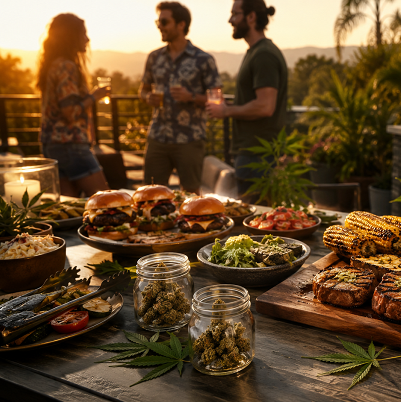
Cannabis and BBQ Season: The Perfect Pairings for Bank Holiday Weekends Cannabis and BBQ season. That’s what the bank holiday weekend is all about. Garden chairs emerge from the shed. Charcoal wafts across fences. Everyone collectively decides that today would be a great time to accomplish virtually nothing productive. And it just so happens that cannabis pairs perfectly well with this atmosphere. Just as food and wine can pair together to create an even better dining experience than consuming them on their own, certain cannabis strains will pair up better with certain flavors and experiences than others. Pairing Up Terpenes — the aromatics of cannabis — contain similar chemical properties to flavor compounds found within foods and drinks. When you combine a citrus forward strain with a sharply marinated dish; when you pair an earthy/spicy strain with smoked chard meat, your senses are able to enjoy a combined experience rather than a haphazard mix. Food & Strains Smoked meats + OG Kush Char and smoke found in smoked meats is perfectly matched by OG Kush’s fuel, pine and earthiness. Relaxation-induced full-body effects make those long BBQ days feel exactly as slow-paced as they should be. Vegetable Skewers w/ Lemon Haze Bright citrus tones found in Lemon Haze mirror the fresh characteristics of grilled veggies and herb-marinated dishes. Energizing effects keep conversation going throughout the rest of the afternoon. Barbecue Desserts + Gelato When pairing a creamy/sweet gelato with BBQ desserts (grilled fruits, BBQ brownie, etc.) you get an incredibly indulgent sensation from both flavors. Beer & Cheese Both Craft Beer and Cheese are acquired tastes which require focus and appreciation. The funky/tangy quality of cheese matches the complexity of craft beer. The Real Point Bank holiday weekends don’t need much improving. The right strain simply makes a good afternoon last a little longer and feel a little better. For adults of legal age only. Consume responsibly.

Cannabis and BBQ Season: The Perfect Pairings for Bank Holiday Weekends Read More »

What really happens at 4:20pm on April 20th in Hyde Park

What really happens at 4:20pm on April 20th in Hyde Park”

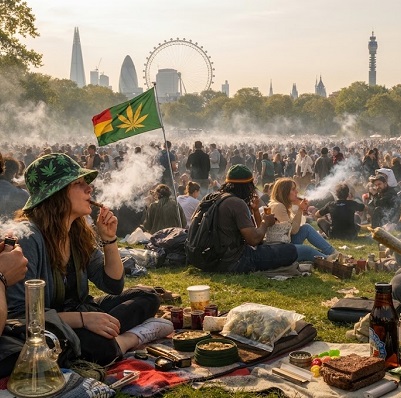
What really happens at 4:20pm on April 20th in Hyde Park” You’ll notice a weird feeling around 4:19pm on April 20th. There is a kind of lull before a storm on a sun-filled day. The Tens of Thousands of People stop in unison and there is an anticipatory quietness hanging above speakers’ corner. Then – that moment occurs. Ditch the statistics – here is how this crazy london custom really looks from the inside. For additional information follow our updates regarding cannabis news and research findings in the UK. Lighters creating music together – the noise of 4:20 As soon as the minute hand lands on that infamous time, the park erupts. This isn’t some call to outrage or revolt – it’s a collective sigh of relief. Thousands of flint wheels light all at once producing a distinct metal ring which immediately drowns out the deafening cheer of the crowd. For a short time, Hyde Park converts into its own autonomous republic where the laws of great Britain go dormant. Incredible scenes — social vinaigrette, who are all these People? One of the most fascinating aspects of 4:20 is the “social vinaigrette”. Take a close look through the haze at the crowd to discover unbelievable scenes: Group Notable Behavior City Professionals White-collar workers who left early, tucking their ties into Tom Ford jacket pockets. Students Wearing bucket hats and attempting livestreams that inevitably fail due to 5G overload. The Older Generation British grandmothers nonchalantly pulling out modern vaporizers while discussing gardening. The Working Class Deliveroo couriers standing shoulder-to-shoulder with bank directors, united by the cloud.   “Polite Chaos” & cops in harmony From a tourists perspective, this appears chaotic: hundreds of mounted police officers wearing brightly colored vests watching over a sea of People breaking the law. However, this is the british compromise. During these hours the london police behave more like stern but pleasant flight attendants on a very strange flight. They will prevent individuals from climbing trees, starting fires and blocking pedestrians but they will not attempt to jail 50,000 People at the same time — this would be both physically impossible and dangerous. Instead they will allow everyone to enjoy themselves until 6 pm when magic disappears. “it is the only day of the year when Hyde Park doesn’t smell of fresh-cut grass but of hopes for change and extremely expensive fast food.” After the “exhale”, what is left? At 5 o’clock, “the great hunger” begins. Ice cream vendors and hot dog carts near the park entrance are stormed. With a newfound sense of calm, Tens of Thousands of People begin drifting towards the Tube. Fun Fact: over the past few years, users have begun to focus on ecological issues. By 5:30 PM, many of the previous “rebels” have picked up trash and recyclables into special biodegradable bags. Part of the new agreement is: if we want to be treated with respect we must take better care of our environment after using Hyde Park. Survival Guide for newcomers Communication rule: stop using whatsapp now. Pick a meeting point (like the still water horse head) beforehand. You won’t get signal until you’ve almost reached Mayfair. Exit plan: getting into the park is easy — getting out of the park is the challenge. As the crowd begins to leave marble arch station becomes bottlenecked. Tip: go to Bond Street or Marylebone instead. You will save an hour waiting in line under ground. Legal reality: do not forget – the “4:20 Rule” is localized. When you step off the grass onto Park Lane pavement, police switch back to standard enforcement. Pack your gear away when you are safe home. Frequently asked questions (faq) for those participating in the flame Are you safe? Yes, surprisingly so. Aggression levels remain zero throughout the day. The main hazard of attending 420 is tripping over someone’s foot or losing your friends because mobile signal is almost guaranteed to be lost at 4:20pm. Can i get jailed for simply being in attendance? The odds are zero. Police look for dealers, aggressors and disturbances of peace. If you’re just observing or simply participating in the celebration, you are just another element of the scene. How do i get home from here? This is the main quest for today. The Tube station at marble arch turns into a bottleneck. Tip: walk to Marylebone or Bond Street — it will save you an hour waiting in a stuffy queue for the Tube

What really happens at 4:20pm on April 20th in Hyde Park Read More »