Jesus Newman

Ideas for a Romantic Cannabis-Enhanced Date Night

Ideas for a Romantic Cannabis-Enhanced Date Night (For those seeking to break away from the norm.) Dinner and a movie is okay. That is predictable. That is safe. However, if you and your partner prefer to explore the boundaries of your relationship — with regards to atmosphere, sensation and connection — cannabis may provide the catalyst for turning an ordinary evening into an extraordinary memory. When used responsibly and in the right setting, cannabis does not represent “getting high.” Rather, it represents slowing down and tuning-in to the moment, and participating in a shared experience that has a genuine and purposeful quality to it. The key to successfully utilizing cannabis in this manner is establishing a balance between the amount of cannabis being consumed (a low to moderate dose) and creating a welcoming and comfortable environment for all participants. When you have created this type of environment, the likelihood of a successful and memorable experience increases. Below are five romantic date night ideas that offer a new level of intimacy and excitement for those looking to elevate their relationship. 1. The Elevated Home Tasting Experience Rather than attending a traditional wine tasting experience, consider attending a cannabis tasting experience. Select one cannabis strain (or product category) and take your time exploring it together. Note the aromas, flavor profiles and sensations associated with this particular cannabis product. Combine this experience with: Dark chocolate or strawberries Herbal tea or a glass of bubbly water Create a playlist of music specifically designed to be calming and relaxing Be playful and creative! Compare flavors, speculate about terpene content and identify which sensations are most pleasing to each of you. The slow and deliberate nature of this experience will foster closeness and create natural opportunities for communication. 2. A Relaxing and Sensual Cooking Experience Prepare a meal together after taking a small dose of cannabis. Cannabis can heighten one’s senses; therefore, the experience of preparing a meal together can become more enjoyable. The increased sensory awareness caused by cannabis can enhance the enjoyment of the preparation process including the cutting of herbs, the mixing of sauces, the taste of the ingredients and the overall culinary experience. Consider keeping things casual and laid-back during your cooking experience: Dimmed lighting Background music Phone-free zone Cooking together while slightly elevated can lead to a greater sense of camaraderie, shared laughter and spontaneous moments of joy in the kitchen. 3. Sensory Experience This is an opportunity to engage your senses — to be aware of the textures, temperatures, smells, tastes, sounds and visuals around you. Light some candles, dim the lights and put on some soothing background music. Take a gentle dose of cannabis, preferably an indica-based product, and then begin to engage in activities that involve touch and physical connection — such as massaging each other’s shoulders, etc. The heightened body awareness brought about by cannabis can make what were once simple gestures into more sensual experiences. This is not about rushing to get somewhere; this is about staying present and experiencing the moment. 4. Movie Night with a Cinematic Twist Take the typical movie night experience and turn it into an event that is worthy of cinematic proportions. Choose a film that is visually stimulating, prepare some snacks ahead of time and perhaps utilize a vaporizer or pre-roll for ease and timing control. Many people enjoy watching animated movies, psychological thrillers or old favorites when they have taken a small amount of cannabis. Colors seem more vibrant, the soundtrack seems more powerful and you will likely notice details that you previously overlooked. 5. Create Together Cannabis can help unlock creativity within individuals. Consider engaging in the following activities while under the influence of cannabis: Painting on small canvases Writing a series of “love letters” to each other Creating a collaborative vision board Engaging in a group storytelling experience Regardless of whether either of you considers yourselves artistic, the objective here is to express yourselves freely and creatively, rather than to produce a work of art that is considered aesthetically pleasing. Using the Right Cannabis Products to Match Your Moods To assist in selecting the correct cannabis product for the type of experience you want to have, we have provided a simple guide below: Mood/Goal Suggested Option Why It Works Casual Conversation/Light Socializing Low-Dose Sativa/Hybrid Increase in sociability, energy Sensual Body Connection Indica-Led Flower/Cannabis Edible Body relaxation, warmth Convenient Timing/Vaping Vaporizers Quick onset, controlled dosage Cozy Evening at Home Edibles (Low Doses!) Slow Build-Up, Longer Duration Remember to always start with a low dose when consuming edibles, and wait until you reach a desired level of effect prior to increasing the dose. Important Guidelines to Follow During Your Cannabis Enhanced Date Night Drink plenty of water. If you plan to consume a strong product, eat a meal prior to consumption. Do not consume excessive amounts of cannabis; too much can quickly change the tone of the evening from romantic to unpleasant. Communicate your intentions to your partner regarding your desire to consume cannabis. The most effective cannabis enhanced date nights are intentional — they require a shared curiosity, laughter, intimacy and a willingness to experience life beyond your usual routine. Ultimately, romance is about attention. If cannabis allows you to slow down long enough to truly see, hear and experience your partner — that is where the magic happens. Stay with updates regarding cannabis news and research findings, as well as our honest conversations regarding medical marijuana in the UK.

Ideas for a Romantic Cannabis-Enhanced Date Night Read More »

Medical Cannabis Side Effects Nobody Talks About

Medical Cannabis Side Effects Nobody Talks About While we hear so much about how medical cannabis provides relief, whether through reduction of pain, improvement of sleep, decrease of nausea or enhancement of quality of life, there are side effects of medical cannabis that are rarely discussed, and these side effects should be considered when using this medication. The primary reason why the lesser-known side effects of medical cannabis are less frequently discussed is that, as of March 2019, medical cannabis products are available only under strictly controlled conditions in the UK via the NHS. As a result, the focus of the prescribing process is primarily on the potential benefits of the product, and secondarily on who is eligible to receive them. However, as with all medications, medical cannabis will likely produce side effects, and while these side effects are not always obvious, understanding what they are will allow patients to take an active role in determining whether medical cannabis is the right choice for them. Changes to Cognitive Function One of the least discussed side effects of medical cannabis, especially those products that contain THC (the psychoactive ingredient), is its effect on cognitive function. Patients who are using cannabis products containing THC may find that they have a slightly diminished ability to react quickly to situations, have decreased short-term memory, and have difficulty focusing on one task at a time. While many of these symptoms are typically mild enough that the patient may not recognize that their cognitive functioning is affected, they can still cause problems for the patient in performing daily tasks, including driving, completing homework assignments, or working at a job that requires concentration. Changes in Emotional State (Blunting & Motivation) There are reports of patients experiencing a flatness of emotions or a lack of motivation over time. This is not a common symptom experienced by all patients, and it is typically reported to be more prevalent among individuals who consume cannabis products that contain a significant amount of THC, compared to CBD-dominant products. The difference between a blunted emotional state and depression or anxiety is that the former can develop slowly over a prolonged period of time, making it difficult for the individual to recognize the change in their emotional state. Disruption to Sleep Architecture Despite the widespread use of cannabis to treat insomnia, it has been shown to disrupt normal sleep architecture. Studies indicate that THC can reduce the amount of REM sleep (the stage of sleep that includes dreaming and emotional processing). If this disruption continues over a prolonged period of time, patients may begin to wake-up feeling less rested than they would normally. Effects on Gastrointestinal System and Appetite A well-documented side effect of consuming cannabis is increased appetite. On the other hand, cannabis can also produce gastrointestinal distress in some individuals. Some patients may experience nausea, bloat, or irregular eating habits. Although extremely rare, long term heavy use of cannabis has been linked to cannabinoid hyperemesis syndrome, which is characterized by recurrent episodes of severe nausea and vomiting. Uncommon Side Effects of Medical Cannabis There are several side effects of medical cannabis that are either not well understood or are not commonly recognized by patients: Mild Dizziness or Postural Light-Headedness; Dry Mouth and Eyes; Affecting Comfort and Oral Health; Increased Heart Rate Immediately Following Use; Decrease in Sensitivity to Emotions or Stress Tolerance; Delayed Onset of Symptoms Due to Oils or Capsules. Why Do These Side Effects Matter? Because cannabis is typically prescribed to individuals in the UK only after their treating physician has exhausted all other treatment options, the medical community needs to provide accurate information regarding the potential side effects of the treatment. Issues related to side effects can be resolved through adjusting doses, modifying the THC/CBD ratio, or changing the delivery method of the medication. All of this must happen with the support of the patient’s doctor. Medical cannabis is not completely safe, and it is certainly not entirely harmless – it is a treatment option that should be viewed with realistic expectations and caution. By providing a complete and accurate picture of the potential side effects of medical cannabis, patients can make better and more informed decisions, along with their physicians. We appreciate your interest in our updates regarding cannabis news and research findings, as well as our honest conversations regarding medical marijuana in the UK.

Medical Cannabis Side Effects Nobody Talks About Read More »

Cannabis and Anxiety: Who It Helps — and Who It Doesn’t

Cannabis and Anxiety: Who It Helps — and Who It Doesn’t There has been considerable growth in the popularity of cannabis in recent years, as there has been an increasing amount of discussion about its potential therapeutic uses — including its potential to treat anxiety disorders. Anxiety disorders represent the most prevalent group of mental health disorders within the United Kingdom, and the vast majority of people who suffer from these disorders will be impacted at some point during their lives, regardless of age or socioeconomic status. Research and clinical experience indicate that the effect of cannabis on anxiety disorders is complex — and therefore, difficult to generalize. The primary way that cannabis affects the human body is via the endocannabinoid system (ECS) — which regulates mood, stress response, sleep, and emotional equilibrium. The two most commonly referenced compounds found in cannabis — Tetrahydrocannabinol (THC), and Cannabidiol (CBD) — exhibit very different characteristics regarding their impact on anxiety disorders. Cannabidiol (CBD), is generally considered to promote a calming effect — thereby acting as an anxiolytic agent — although, the degree to which this occurs is directly related to dosage, context, and the individual’s sensitivity to CBD. For individuals with mild to moderate anxiety — especially social anxiety — a CBD-dominant cannabis product may assist with reducing nervousness, improving sleep quality, and reducing feelings of discomfort in social situations. Due to the non-intoxicating properties of CBD, it is also significantly less likely to cause unpleasant psychological side effects when compared to THC. Tetrahydrocannabinol (THC), on the other hand, represents a far more complex picture. Low doses of THC may help some individuals relax — and temporarily alleviate stress — however, high doses of THC can increase heart rate, heighten anxious thinking, and evoke panic attacks — especially in individuals who are predisposed to experiencing anxiety, or who have limited experience with cannabis. Cannabis may either positively — or negatively — affect anxiety disorders based upon several factors: The proportion of THC to CBD found in the product being consumed Dosage and frequency of consumption Individual differences in brain chemistry and mental health history Setting — and frame of mind — in which cannabis is being used Age — and sensitivity to psychoactive substances It is important to note that cannabis is not an appropriate treatment option for every person suffering from anxiety disorders. In particular, individuals with a history of panic disorder, psychosis, or severe anxiety disorders may experience exacerbation of their symptoms — particularly if they consume THC-dominant cannabis products. Therefore, medical professionals and caregivers must provide accurate and objective guidance — and close monitoring — to ensure safe and effective use of cannabis when it is prescribed. At present, cannabis-based medicinal products intended to address mental health issues are subject to very restrictive guidelines in the United Kingdom — which reflects the necessity for stronger scientific evidence to establish safety and efficacy. While cannabis may provide symptomatic relief for some people — it is not a “one size fits all” treatment — and should never replace conventional, professionally supervised mental health care. Further research into the therapeutic potential of cannabis is expected to continue — and determining who cannabis will benefit — and who it will not benefit — is critical to providing responsible access to these products. Stay with our blog about cannabis to know more.

Cannabis and Anxiety: Who It Helps — and Who It Doesn’t Read More »

Marijuana for Chronic Pain — an alternative to opioids?

Marijuana for Chronic Pain — an alternative to opioids? Millions of people in the United Kingdom are affected by chronic pain and remain one of the hardest conditions to treat successfully. Arthritis and neuropathic pain, along with back injuries and post-operative discomfort are among the many types of chronic pain that need long-term treatment. Opioids were traditionally used for the most extreme cases of chronic pain, however concerns regarding dependency, tolerance, and adverse reactions have motivated both patients and healthcare providers to seek out alternative, less dangerous ways of managing their pain. Medical marijuana is becoming an increasingly popular subject of conversation as an alternative to opioids. There are two major cannabinoids within the Cannabis plant: Tetrahydrocannabinol (THC) and Cannabidiol (CBD), that act upon the human body’s Endocannabinoid System (ECS). The ECS is involved in the regulation of pain perception, inflammation, mood and sleep. Both THC and CBD affect pain pathways in the body; centrally and peripherally. Opioids are known to cause dose escalation due to tolerance developing. With cannabis-based treatments, some individuals may find they are able to keep their dose level stable, or even reduce it. Studies conducted in areas where medical marijuana has been more readily available indicate there is an association with lower opioid use and fewer opioid-related problems when access to cannabis has been made available. Although the UK still has strict controls in place for prescribing cannabis, the data collected from these studies will continue to help guide future research and policy decisions. Cannabis may be considered as a treatment for chronic pain due to the potential benefits listed below: Reduced risk of physical dependence compared to opioids Anti-inflammatory properties that treat the root cause of pain Potential improvements in sleep quality and general well-being Multiple methods of administration: oils, capsules, and vaporization Ability to combine THC and CBD for better balance in pain relief Although cannabis does have its limitations, there are side effects that can result from taking THC-dominant cannabis products, including dizziness, fatigue, and impaired cognition. Additionally, the effectiveness of cannabis will vary based on the type of pain experienced, the amount taken, and how the individual responds to it. Therefore, UK guidelines recommend that cannabis-based medications should only be prescribed by specialists once all other treatments have been unsuccessful. The issue is not whether marijuana can completely replace opioids, but rather whether it can provide additional or alternative solutions for patients experiencing chronic pain. As further research develops, cannabis is being seen as a tool to complement a broader, more personalized approach to treating chronic pain. Follow us for the latest information, research insights and developments on cannabis and medical marijuana in the UK.

Marijuana for Chronic Pain — an alternative to opioids? Read More »

The Medical Uses of Cannabis – What Has Been Established

The Medical Uses of Cannabis – What Has Been Established Cannabis-based medicinal products (CBMPs) became legally available for prescription in the U.K. in 2018; however, there are still many restrictions and barriers for patients to access these types of medication. Clinical trials and research into the potential of medical cannabis as a therapeutic agent will help to determine what areas may offer significant therapeutic value. The most well-established use of medical cannabis is in the management of chronic pain. Some examples of the type of chronic pain that may be treated with cannabis include arthritis, neuropathic pain, fibromyalgia, pain resulting from cancer or spinal injury, etc. Both THC and CBD interact with the body’s endocannabinoid system to help regulate pain and inflammation. Neurological Disorders There are two major ways in which medical cannabis is prescribed in the U.K.: one is for the treatment of severe, treatment-resistant epilepsy (especially in children) and the other is for severe spasm caused by multiple sclerosis (MS).Medical cannabis is sometimes prescribed to treat severe spasm in MS patients because of the fact that THC can help to relieve muscle stiffness, spasms and associated pain in patients who suffer from this condition. This can improve the mobility and overall quality of life for some patients. Mental Health Disorders Researchers have started to investigate the potential of cannabis-based treatments for several mental health disorders including anxiety disorders, post-traumatic stress disorder (PTSD) and sleep disturbances. CBD has anxiolytic properties and can produce a calming effect whereas THC may have a positive impact on sleep onset and trauma related symptoms. Because of the risk of adverse psychological reactions, cannabis-based treatments should be administered under close medical supervision in order to monitor the patient’s reaction. Chemotherapy Related Symptoms For many years, researchers have understood that medical cannabis can help alleviate chemotherapy related side effects including nausea, vomiting and lack of appetite. For patients suffering from cancer, and for patients with other serious conditions that result in severe weight loss, medical cannabis stimulates appetite and reduces nausea. It is crucial to understand that medical cannabis is not a panacea and will vary in terms of efficacy based on the specific condition, dosage, cannabidiol (CBD) and tetrahydrocannabinol (THC) ratio and the individual patient’s response. In the U.K., CBMPs are prescribed to patients only after all other treatments have been tried and only by specialist doctors. Future Research and Expansion of Access to Medical Cannabis As new research becomes available, and as regulations continue to evolve, we anticipate that medical cannabis will play a larger role in modern healthcare in the U.K. Therefore, staying up-to-date on the evolving knowledge base regarding medical cannabis will be essential in helping you to understand both the advantages and disadvantages of using medical cannabis. Thank you for joining us for our latest news, research updates and insights on cannabis and medical cannabis in the U.K. Stay tuned for more information!

The Medical Uses of Cannabis – What Has Been Established Read More »

The Top Cities in the U.K. for Weed Consumption

The Top Cities in the U.K. for Weed Consumption

The Top Cities in the U.K. for Weed Consumption Recreational use of cannabis remains illegal in the United Kingdom; however, consumption has been increasing throughout major metropolitan areas over time. Every year, researchers and industry analysts conduct surveys to determine the “weird smoking capital” of the U.K. — the city with the most significant presence of cannabis use, culture and availability. Below is a detailed breakdown of each area and what makes them so unique. Discover more information about cannabis strains in the Single Weed Seeds blog. London – The Uncontested Leader London has repeatedly been ranked the top city for cannabis consumption in the U.K. Studies conducted by the European Monitoring Center for Drugs and Drug Addiction and wastewater analysis studies have shown that the citizens of London consume significantly more cannabis than residents of any other region in the U.K. Why does London lead: Population size: Due to the large population of London (over 9 million), consumption totals are higher simply due to sheer numbers. Diverse cannabis culture: Music, street art and a variety of different cultures create an environment where cannabis is widely accepted. Nightlife demand: Areas such as Shoreditch, Brixton, Camden and Hackney have a very high demand for cannabis due to their late night lifestyles. Large number of CBD and hemp stores: These stores are technically legal but are representative of the cannabis interests of the city. London is not only the capital of the U.K., it is also the de facto capital of weed culture. Manchester – The Northern Hub of Cannabis Use Manchester typically comes in second after London when looking at cannabis consumption charts. Manchester’s young population and high level of educational attainment contribute to a strong demand for cannabis. Key factors: Large student population (University of Manchester, Manchester Metropolitan). Music and rave culture. Urban dense communities with high levels of social interaction. Rates of recreational substance abuse are higher than average compared to other northern cities. Manchester is often referred to as the “Northern Weed Capital.” Glasgow – Scotland’s Cannabis Hotbed Wastewater studies consistently show high levels of THC metabolites in Glasgow, establishing Glasgow as the top cannabis consuming city in Scotland. Why Glasgow excels: Urban cannabis culture. Nightlife and festival culture. Regional attitudes toward cannabis are more accepting than other parts of Scotland. A large percentage of young adults and students. Glasgow ranks among London and Manchester in terms of cannabis use. Birmingham – Rapidly Rising Birmingham, the U.K.’s second largest city by population, is quickly developing a cannabis community. Factors contributing to this development: Growing urban youth population. Demand for both recreational and medical cannabis alternatives. Increased demand for CBD products. CBD retailers continue to grow in central locations. While not currently in first place, Birmingham is moving up the charts each year. Other UK Cities With Noteworthy Cannabis Communities Although these cities do not rank in the top spot, they still have notable cannabis communities. Cities worth mentioning: Liverpool – strong student culture and musical influence. Bristol – known for its artistic culture and liberal cannabis views. Leeds – CBD market continues to expand and recreational use continues to be in high demand. Brighton – vibrant alternative culture and a tolerant community. While they may not rank high in the charts, these cities all contribute to the broader cannabis culture in the U.K. How Do Analysts Determine the “Weed Smoking Capital”? Analysts use the following criteria: Wastewater THC metabolite testing Government and police reported consumption statistics Surveys conducted by residents Google trends data Size of the CBD market and associated business activity Age and density of the local population. While London consumes the greatest amount of cannabis, some of the smaller cities can have higher per-capita consumption. Conclusion Using available research and publicly available data, we conclude that: The Weed Smoking Capital of the U.K. is LONDON Followed closely by: Manchester Glasgow Birmingham These cities will continue to drive the development of cannabis culture, socially, culturally, and commercially in the U.K.

The Top Cities in the U.K. for Weed Consumption Read More »

Sweet Cookies To Spark Your Imagination

Sweet Cookies To Spark Your Imagination

Sweet Cookies To Spark Your Imagination As a writer, we know creativity never works on a strict schedule; at times you’ll have to stare at a blank sheet of paper, waiting for inspiration to strike — and still nothing will happen. That’s when ritual becomes very important. For so many creative minds, a cup of a warm beverage paired with a delicious cookie can be just enough to take you to an imaginative place, get you focused and ready to dive deeper into your creative process. Discover more information about cannabis strains in the Single Weed Seeds blog. Whether you’re using cannabis for your creative expression or you just love great snacks, the right cookie can become your best friend as you write. Here are a few cookie ideas to promote your comfort, concentration and overall creative energy. Classic Cookies to Get You in the Right Mindset We all know that comfort food has a way to psychologically help us relax our minds, reduce stress, and allow us to fall into a more creative mindset easier. The below classic cookies have been around for years and are perfect for writing sessions because of their familiarity and simplicity. The best classic comfort foods to help you think clearly and remain relaxed: Chocolate Chip Cookies — provide a warm feeling and ground you. Oatmeal Raisin Cookies — provide a slow release of energy to keep you writing for hours. Shortbread Biscuit Cookies — delicate, buttery and pair perfectly with tea. All three of these classic flavors are comforting and feel familiar, allowing your mind to open up and explore new story ideas. Energizing Cookies to Help Keep Your Energy Up If you plan on having a long writing session or need to dig deep within your creative mind, then choose cookies that contain natural energy boosters. Try cookies that have: Dark Chocolate — improves cognitive functioning. Nuts (such as walnuts and almonds) — healthy fat that stimulates brain activity. Chia Seeds or Flaxseeds — provides you with a stable source of energy. Zest (such as lemon) — refreshing and uplifting scent. These types of cookies help you stay focused while keeping your creative momentum going. Cannabis-Infused Cookies to Explore Your Creativity Some writers use cannabis to alter their perspectives, unlock their imagination, and suppress self-criticism. If you decide to try cannabis to enhance your writing experience, please remember to bake low doses, consume consistently, and write responsibly. Here are some cannabis infused cookie ideas: Low-Dose Cannabutter Sugar Cookies. THC Ginger & Cinnamon Cookies. Matcha Cannabis Cookies (best for clear-headed creativity). Microdose Chocolate-Walnut Bites. A small dose of THC may help writers feel more playful, intuitive and free flowing in their thoughts. Cookies to Go Along With Writing Rituals Writing is typically associated with the environment around you: lighting, sounds, moods and flavors. Certain cookies pair well with different writing styles. Use this pairing guide to try something new: Writing fantasy novels? Enjoy honey and spice cookies. Writing poetry? Choose lavender shortbread. Writing essays? Try dark chocolate espresso cookies. Writing journals? Enjoy soft peanut butter cookies. Brainstorming? Eat lemon-poppy seed cookies. Using these senses in combination with your writing can make the experience of creating feel like being immersed in a film. Create Your Own “Writer’s Cookie Ritual” Creating small rituals can lead to large amounts of creativity. Here are a few ways to create your own ritual: Choose one “writer’s cookie” to only eat while you are writing. Warming the cookie slightly increases the aroma and also sparks the mood and imagination. Eat the cookie with tea, coffee, or cannabis (if legal in your area), and put on some soft background music. Take out your notebook or computer and start writing without putting any pressure on yourself. This type of ritual tells your brain: now it’s time to create. Final Words Cookies may be simple, but they can be a powerful tool to spark creativity. No matter if you enjoy classic flavors, energizing ingredients, or cannabis-infused treats, the right cookie can turn your writing experience into something inspirational. When you have a comfortable mind and a happy stomach, your ideas will flow naturally, and perhaps even make your stories a little bit tastier too.

Sweet Cookies To Spark Your Imagination Read More »

Incorporating Cannabis into Your Food Choices

Incorporating Cannabis into Your Food Choices

Incorporating Cannabis into Your Food Choices Cannabis lovers enjoy their marijuana products differently than many other consumers. Some choose to smoke or vape marijuana before or during eating. Others prefer to eat cannabis first. Some choose to take the active ingredients in cannabis (such as THC) through food (edibles), while others don’t want to consume their cannabis through their food at all. Regardless, there are many cannabis-friendly foods that you can serve to your friends and family. If you’re interested in incorporating cannabis into your food choices, here are some basic concepts and recipe ideas to get started.  Discover more information about cannabis strains in the Single Weed Seeds blog.  1. Cannabis-Friendly Dishes (Not Infused) There are many foods that pair well with cannabis use. These types of foods allow your guests to relax, enjoy their food, and feel the effects of the cannabis product they chose. You can serve these types of foods if you want your guests to enjoy the cannabis effect with their food, or if you want them to avoid mixing cannabis products with their food. Some examples of these types of foods include: Nachos — They’re fun to eat, and you can top them with whatever you like, so they are very versatile. Macaroni and Cheese — It’s comforting, cheesy, and is a great pairing for relaxing after using cannabis. Fresh fruit platter — Mangoes, blueberries, grapes, etc., are light and naturally sweet. Homemade pizza or store-bought pizza — Easy to make, fun to share, and a classic favorite. Chocolate fondue — Simple and indulgent. The great thing about these foods is that they can help increase the enjoyment of food without changing how the cannabis makes you feel. 2. Light Meals to Help Keep Munchies Under Control If your guest has a tendency to overeat when they’re using cannabis, you may want to provide them with light, filling meals to prevent this from happening. Here are a few examples of light meals that can help control munchies: Hummus with vegetables and/or pita bread Quinoa or couscous bowls Avocado toast with toppings Smoothie bowls with nuts or granola All of these meals are nutritious, easy to digest, and can help keep your guests feeling energized. 3. Beginner-Friendly Infused Recipe Ideas (Low-Dose Only) If your guest likes to use cannabis and you live in an area that allows cannabis cooking, start with simple low-dose infused recipes. Always remember to label the amount of cannabis used in each dish, and to tell your guests which items contain cannabis. This way, your guests will know exactly what they are getting, and can adjust their consumption accordingly. Here are a few examples of low-dose infused recipe ideas: Cannabutter garlic bread Infused honey drizzle for tea or oatmeal THC-light chocolate chip cookies Cannabis-infused olive oil for salad Important: Always start low. Always go slow. And always respect each guest’s limits. 4. Drinks to Pair with Meals Before or After Cannabis Use Many people who use cannabis like to stay hydrated by drinking a variety of beverages to counteract the dryness in their mouths and to help with the effects of the strain they are using. Examples of drinks that pair well with cannabis use: Lemon and mint water Herbal teas (lavender, chamomile, ginger) Fruit flavored sparkling water Coconut water for hydration Hot chocolate or matcha for a cozy evening Both infused and non-infused meals pair perfectly with the drinks listed above. 5. Creating a Safe and Relaxing Atmosphere for Cannabis Use The atmosphere in which you cook for a cannabis user is almost as important as the meal itself. Create a comfortable setting and atmosphere for your guest. Suggestions for creating a comfortable atmosphere: Keep portion sizes small and provide food gradually. Choose meals that aren’t too spicy or heavy. Let your guests know exactly what contains cannabis and what doesn’t. Have plenty of water available and light snack options. Use music and soft lighting to create a relaxing atmosphere. Conclusion Creating a meal for a cannabis-loving friend is a fun and creative experience. You can create wonderful, tasty meals that fit their cannabis lifestyle. You can also create a wonderful memory that your friend will cherish. All you need to do is plan thoughtfully and create a warm, inviting atmosphere.

Incorporating Cannabis into Your Food Choices Read More »

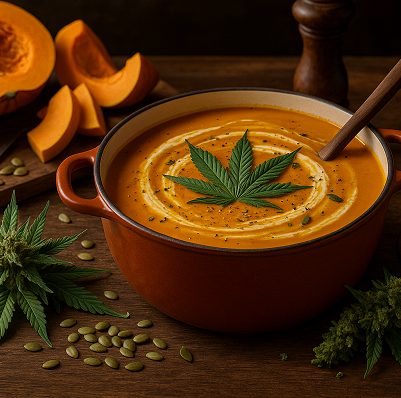
Preparation of cannabis-infused pumpkin soup for a cozy and enjoyable meal

Preparation of cannabis-infused pumpkin soup for a cozy and enjoyable meal

Preparation of cannabis-infused pumpkin soup Pumpkin soup is one of the coziest meals you will ever cook — light, creamy, and slightly sweet, perfect for those crisp fall days or cold winter days. It has all the elements that create a warm and inviting atmosphere in the kitchen while providing a relaxing experience when made with cannabis. The following article is an easy-to-follow guide for making safe, legal and controlled-dose cannabis-infused pumpkin soup. Discover more information about cannabis strains in the Single Weed Seeds blog. What to know about cannabis cooking before you get started Before you begin cooking with cannabis, you should understand some basic information about how to infuse cannabis into food and drink. Some key things to know: THC or CBD cannot be activated without first decarboxylating the cannabis. Fats are the best medium to infuse cannabis into — such as butter, coconut oil, olive oil and cream. When using cannabis for the first time, take a low and slow approach. Label each serving if you plan on sharing your creations with friends. Your goal is to achieve a balanced taste and controlled effect. Ingredients for cannabis pumpkin soup Below is a typical ingredient list. However, feel free to modify to suit your personal taste. Primary ingredients: Pumpkin or butternut squash Onion Garlic Broth (vegetable or chicken) Cream or coconut milk Pepper and Salt Spices (such as nutmeg, cinnamon, smoked paprika) Cannabis Component Cannabis butter or olive oil (infused) Recommended dose per serving: low to moderate (1–3 mg THC) for beginners Making cannabis-infused oil or butter If you do not already have an infused oil: Decarbonate the cannabis: Spread the cannabis on a baking sheet. Heat the cannabis to 105–115°C (220–240°F) for 30–40 minutes. Infuse the oil: Mix decarbed cannabis with butter or oil. Let the mixture simmer on low for 45–120 minutes. Strain through cheesecloth. The infused fat is now the base of your soup. A step-by-step recipe for cannabis pumpkin soup For a rich and creamy soup, follow the below instructions: Prepare the aromatics Heat a small amount of cannabis oil. Add sliced onions and garlic. Cook until they are softened and golden. Add pumpkin Add fresh cubed or roasted pumpkin to the pan. Coat the pumpkin with infused oil. Pour in the broth Add enough vegetable or chicken broth to cover the pumpkin. Simmer for 15–20 minutes. Blend the soup Use a blender or immersion blender to puree the soup. Finish with cream Add heavy cream or coconut milk to thicken the soup. Season with salt and pepper as well as additional spices. Determine your dosage Only add a portion of your cannabis-infused oil during cooking. Balance the flavor and potency by adding uninfused oil to the dish. Additional Flavors That Complement Cannabis Pumpkin soup is inherently sweet and earthy, creating a perfect combination of flavors with cannabis’ herbal undertones. Flavor enhancements include: Turmeric or ginger Roasted pumpkin seeds Thyme, sage, or other fresh herbs Adding chili flakes for a spicy kick A drizzle of infused cream The warm spices in cannabis can complement its terpene profile perfectly. Safe Serving Practices and Important Notes For a great experience, keep the following tips in mind: Serve small portions if your guests are trying cannabis for the first time. Do not use cannabis oil as a garnish unless you accurately measure the amount. Wait at least 60–90 minutes before increasing your dose. Inform your guests that the soup is infused. Responsible cooking allows everyone to enjoy their evening. Closing Thoughts Cannabis pumpkin soup is a creative way to blend seasonally-inspired comfort with a gentle, relaxing twist. With a correct dosage, a quality infused oil, and warm spices for autumn, this dish combines both flavor and relaxation. Whether you want to spend a cozy night alone, invite friends to a dinner party, or simply unwind at home, cannabis pumpkin soup provides a unique culinary experience — one spoonful at a time.

Preparation of cannabis-infused pumpkin soup for a cozy and enjoyable meal Read More »