
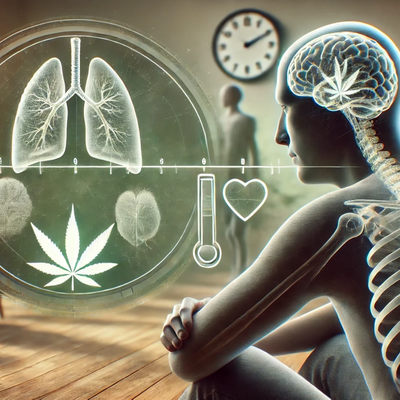

Understanding the Long-Term Side Effects of Chronic Cannabis Use
Marijuana, celebrated for both its medicinal and psychoactive effects, is the center of ongoing research and societal debate, particularly concerning the long term side effects of cannabis use. As cannabis gains broader acceptance and legality globally for recreational and medical use, understanding the long-term health consequences it can cause is essential. This discussion will examine the extensive range of potential long-term side effects stemming from chronic cannabis consumption, focusing on both physiological and psychological dimensions.
- by Singleweedseeds
- 2 minutes
Impact on Physical Health
Respiratory Health:
Frequent cannabis smoking is associated with a variety of respiratory issues. Cannabis smoke contains harmful substances, including carcinogens that can irritate the lungs, leading to problems such as persistent cough, increased phlegm, and a higher frequency of lung infections. While some research has explored potential links between cannabis smoking and chronic obstructive pulmonary disease (COPD), the findings are not yet definitive.
Cardiovascular Effects:
The immediate impact of marijuana use includes a noticeable increase in heart rate, which can persist for hours, potentially heightening the risk of cardiovascular problems over time. Long-term users, particularly those with existing heart conditions, may face an elevated risk of strokes and other cardiovascular diseases.
Neurological Consequences
Cognitive Effects:
Persistent cannabis consumption can impair cognitive abilities, with notable deficits in attention, memory, and executive functioning. These impairments are particularly pronounced when usage starts in adolescence. Although some studies indicate these effects may be reversible upon cessation, others suggest long-term or permanent changes.
Mental Health Concerns:
There is evidence suggesting a heightened risk of conditions such as psychosis and schizophrenia, especially in those genetically predisposed to these disorders. Cannabis is also associated with higher incidences of depression and can lead to dependency, challenging discontinuation due to significant symptoms.
Impact on Lifestyle and Social Relationships:
Chronic cannabis users may experience detrimental effects on their educational achievements, career prospects, and social relationships. Particularly among younger users, regular cannabis use is linked to lower academic performance and reduced motivation. Socially, cannabis can affect interpersonal relationships and may lead to isolation.
Continued research and comprehensive studies are vital to fully understand the long-term impacts of marijuana use. Individuals considering cannabis use should assess these risks in consultation with healthcare providers, balancing them against the potential therapeutic benefits.