
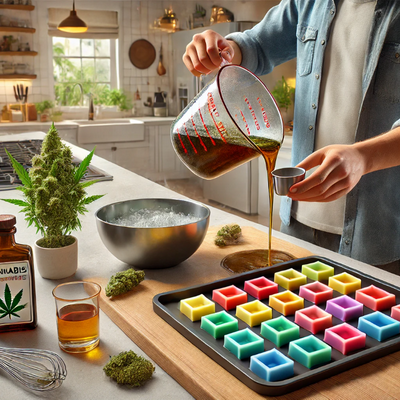

Creating THC Gummies at Home: A Guide to Homemade Cannabis Edibles
The world of cannabis edibles has expanded dramatically in recent years, with gummies standing out as one of the most popular formats among enthusiasts. While commercially produced THC gummies offer convenience and consistency, many cannabis users are discovering the satisfaction of creating these treats in their own kitchens. This do-it-yourself approach also provides an opportunity to explore cannabis cooking as a creative outlet while potentially reducing costs compared to dispensary purchases.
While not overly complex, successful THC gummy production requires attention to detail, particularly regarding temperature management and proper mixing techniques to ensure even distribution of cannabinoids throughout the final product.
Essential Ingredients and Equipment
The foundation of quality homemade THC gummies lies in properly prepared cannabis-infused oil or tincture. Most home producers opt for coconut oil or MCT oil infusions due to their excellent cannabinoid-binding properties and neutral flavors. The infusion process typically involves decarboxylating ground cannabis flower (heating to activate THC) before simmering it in the chosen oil for several hours to extract the desired compounds.
Successful gummy production requires gelatin or a vegetarian alternative such as agar-agar or pectin, which provides the characteristic chewy texture. Sweeteners, typically a combination of granulated sugar and corn syrup or honey, contribute both flavor and structural integrity to the final gummies. Fruit juices, flavor extracts, and citric acid round out the ingredient list, offering opportunities to customize the taste profile while the citric acid helps preserve the finished gummies and enhances flavor.
Equipment requirements remain relatively modest, with most kitchens already containing the essentials: a reliable thermometer, silicone molds in desired shapes, a medium saucepan, and kitchen scale.
Perfecting the Process
After blooming the gelatin in cold liquid, gentle heating combines the remaining ingredients while avoiding excessive temperatures that might degrade THC potency. The careful incorporation of cannabis-infused oil, often with an emulsifier such as lecithin to ensure proper integration, represents a critical step in achieving consistent potency throughout the batch.
Once thoroughly mixed, the warm gummy mixture must be transferred to molds relatively quickly before setting begins. Many home producers utilize condiment bottles with precision tips for this purpose, allowing for clean filling of individual mold cavities. After cooling at room temperature for a short period, the molds typically require refrigeration to completely set before unmolding the finished gummies. An additional air-drying period often follows, creating a slightly tacky exterior that improves texture and prevents gummies from sticking together during storage.
Dosing Considerations and Storage
Proper storage extends the shelf life of homemade THC gummies and maintains their potency over time. Refrigeration in airtight containers provides the optimal environment, with many producers adding small desiccant packets to prevent moisture accumulation.
Responsible consumption practices remain paramount when enjoying homemade THC gummies. The delayed onset of effects, potentially taking up to two hours to fully manifest, necessitates patience and moderation.This thoughtful approach ensures that the rewarding experience of creating cannabis edibles at home culminates in equally positive consumption experiences.